Related reading:
Signs of Food Sensitivity •
Gut Inflammation and Food Sensitivity •
Most Common Foods That Trigger Sensitivity
Why Food Reactions Can Show Up on Your Skin
IgG-mediated food reactions are delayed — symptoms can appear hours or days after eating. When a reactive food is part of your regular diet, the resulting low-grade inflammation is ongoing, and for some people the skin is where it becomes visible: breakouts, dryness, redness, or flare-ups of existing conditions.
Why Skincare Alone May Not Be Enough
Topical products address the surface. If an internal driver — like a daily immune reaction to a staple food — is contributing, flare-ups tend to keep returning no matter how good the routine is. That’s why many people explore diet alongside skincare.
The Challenge: Delayed Reactions Hide the Trigger
Because the reaction can surface a day or more after the meal, connecting a breakout to a specific food by observation alone is nearly impossible. Structured tools help:
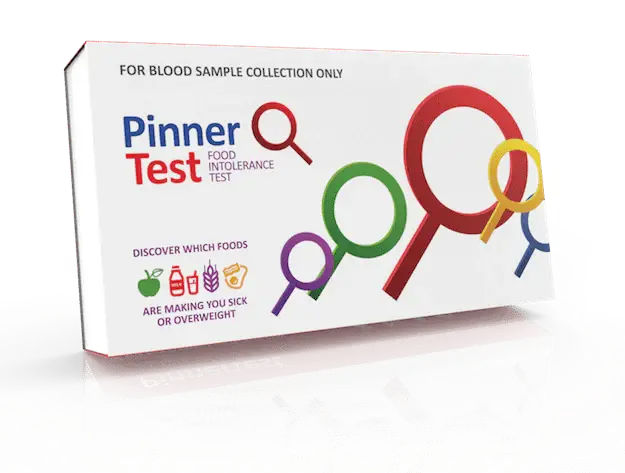
- IgG testing — Pinnertest measures your IgG antibody response to 120–250 foods, giving you a personalised list of candidates.
- Structured elimination — remove your highest-reactivity foods for a defined period and track how your skin responds.
- Methodical reintroduction — bring foods back one at a time to confirm which ones actually affect your skin.
Work With a Professional
Skin conditions such as acne, eczema, and psoriasis have many potential causes and effective medical treatments. Food sensitivity testing is a complementary tool, not a replacement for a dermatologist’s care.
This article is for educational purposes only and does not replace medical advice. For a deeper look at the food–skin connection, see our Acne & Skin guide.