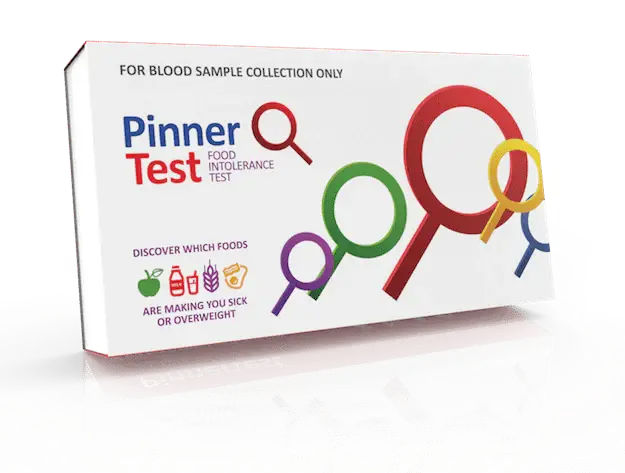

PINNERTEST FAQ
Frequently Asked Questions
This FAQ brings together all client and practitioner questions about Pinnertest — what the IgG food intolerance test measures, how results are interpreted, and how elimination diets are applied. It is for information only and does not replace medical advice or emergency care.
General Information (For Everyone)
What is the difference between a food allergy and a food sensitivity?
A food allergy is an immediate, potentially severe immune reaction mediated by IgE antibodies, causing rapid symptoms like hives or swelling. In contrast, a food sensitivity (or intolerance) involves a delayed, non-allergic immune response often mediated by IgG antibodies, which can cause low-grade systemic inflammation, digestive discomfort, or fatigue hours or days after consumption.
How does an at-home IgG food sensitivity test work?
The test utilizes a simple at-home finger-prick blood sample collection kit. Once sent to our CLIA-certified laboratory, advanced microarray scanning measures specific IgG antibody reactivity levels against a broad panel of up to 250 everyday food items, delivering a clear, color-coded report to help guide a personalized elimination diet.
What is Pinnertest?
Pinnertest is a scientific food intolerance test that analyzes IgG antibody reactions your body develops against specific foods. Using advanced microarray laboratory technology, just a few drops of blood are tested to detect delayed immune responses that may contribute to digestive system disorders and other chronic symptoms.
These immune reactions can manifest with symptoms such as:
- Bloating
- Migraines and headaches
- Chronic fatigue and low energy
- Eczema and other skin problems
- Digestive issues such as gas, cramps or discomfort
By identifying which foods trigger IgG reactions in your body, Pinnertest helps you and your clinician design a personalized elimination diet so you can work toward reducing symptoms and improving your quality of life.
What are the available Pinnertest panels?
Pinnertest offers three main IgG food intolerance panels:
- Pinnertest 120 – Tests IgG intolerance against 120 different foods
- Pinnertest 200 – Covers 200 different foods
- Pinnertest 250 – The most comprehensive panel with 250 food items
All panels use the same advanced microarray technology and scientific analysis methods. The main difference is the number of foods tested, which is chosen according to the client's lifestyle, dietary habits, and symptom intensity.
Many clients choose the broader panels when they have complex symptoms or a very varied diet. Healthcare professionals can help select the most appropriate panel based on history and complaints.
What do IgG levels in the results mean?
Pinnertest results show the IgG antibody levels (in μg/ml) measured in your body against each food. These values reflect how strongly your immune system responds to that food. The measured value for each food is classified as:
- 🟢 < 7.5 μg/ml (Low – No Reaction) — No significant immune response has been detected. The risk of intolerance to this food is low. Generally safe to continue consuming.
- 🟡 7.5 – 19.9 μg/ml (Moderate Reaction) — A measurable IgG response has been detected. The body shows some level of immune reaction. Reduction, rotation, or cautious use is often recommended.
- 🔴 ≥ 20.0 μg/ml (High Reaction) — A strong IgG response has been detected. These foods are usually the first candidates for temporary elimination under professional guidance.
How do I use my report with an elimination diet?
Most people remove the identified high-reaction foods for a period of time (commonly 2–6 weeks) and then reintroduce them thoughtfully while tracking symptoms. If you remove an important food (for example, dairy), replace key nutrients (like calcium) with alternatives. Always review your plan with a qualified healthcare professional.
Is Pinnertest a food allergy test?
No. Pinnertest is not a food allergy test and does not diagnose food allergy or any medical condition. If you suspect a food allergy, consult an allergist or qualified healthcare provider. Never start, stop, or change medication based only on a lab report.
For Practitioners & Clinical Use
In which situations is food intolerance testing recommended for clients?
IgG food intolerance testing can be particularly useful in clients with chronic, unexplained or multi-system symptoms. Common indications include:
- Chronic digestive problems (bloating, gas, diarrhea, constipation)
- Recurrent headaches or migraines
- Skin problems (eczema, acne, itching)
- Chronic fatigue and low energy
- Muscle and joint pain or fibromyalgia-like complaints
- Mood swings, low mood, anxiety or concentration difficulties
- Irritable bowel syndrome (IBS)
- Behavioral concerns such as hyperactivity or attention issues in children
In many of these clients, the underlying triggers remain unclear for years. By identifying possible food-related contributors, Pinnertest supports the development of a structured, individualized nutrition plan.
How is food intolerance testing applied in pediatric patients?
Pinnertest can be used in children, but the maturity of the immune system is important when interpreting IgG results. In general, it is recommended to apply the test in children aged 3 years and older.
- 2–3 years: Testing may be considered with caution. Elimination should be gentle and supervised, with close monitoring of growth and development.
- 3–6 years: Testing is more reliable. Elimination diets should be carefully guided by parents and clinicians to avoid unnecessary restriction.
- 6+ years: The immune system is more stable and results tend to be easier to interpret within an adult-like protocol.
How do delayed IgG reactions differ from immediate IgE allergies?
IgE-mediated allergies cause rapid, sometimes severe reactions within minutes. IgG-mediated sensitivities are delayed — symptoms can appear hours or days after eating a food, which makes triggers hard to spot without laboratory data. Pinnertest analyzes IgG patterns to help identify which foods are most likely involved in these delayed immune reactions, supporting a personalized elimination strategy.