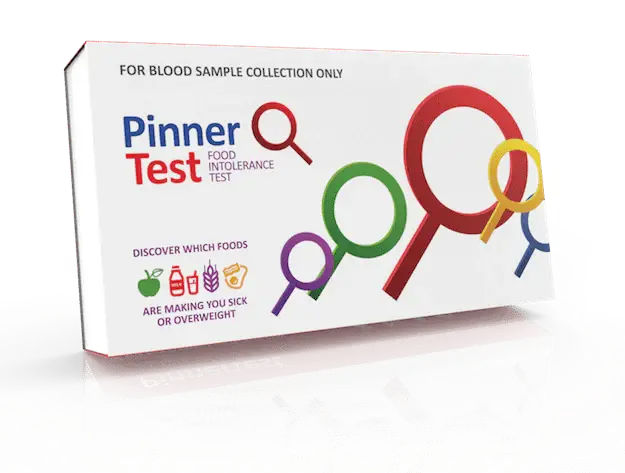
Pinnertest is a laboratory-based food intolerance test that evaluates immune-mediated reactions to more than 200 foods using microarray technology. It may help you explore potential food-related factors behind everyday symptoms such as bloating, digestive discomfort, headaches, or fatigue.
Food intolerances differ from classic allergies. Allergies often involve rapid IgE-mediated responses, while food intolerances are typically slower and may present as subtle, recurring symptoms. Because these responses may be delayed, identifying possible triggers based solely on observation can be challenging.
Pinnertest uses a microarray platform, where many food components are presented together on a compact slide. Your sample is processed in a laboratory setting following standardized procedures, and the resulting signals are analyzed to determine which foods may be associated with a stronger immune response.
The results you receive can serve as a structured starting point, helping you discuss potential dietary adjustments with your healthcare provider or nutritionist. Many individuals use the findings to organize an elimination and reintroduction approach in a more systematic way.
Our test uses a microchip-based workflow with a very small blood sample — typically a few drops from a finger prick.
Each microarray slide is scanned using high-resolution laser systems designed to help deliver consistent, high-quality data.
We analyze reactions across a wide range of foods using modern microarray technology with efficiency and accuracy.
Looking for more detail? Read our Food Intolerance Test guide and Food Sensitivity Test overview.
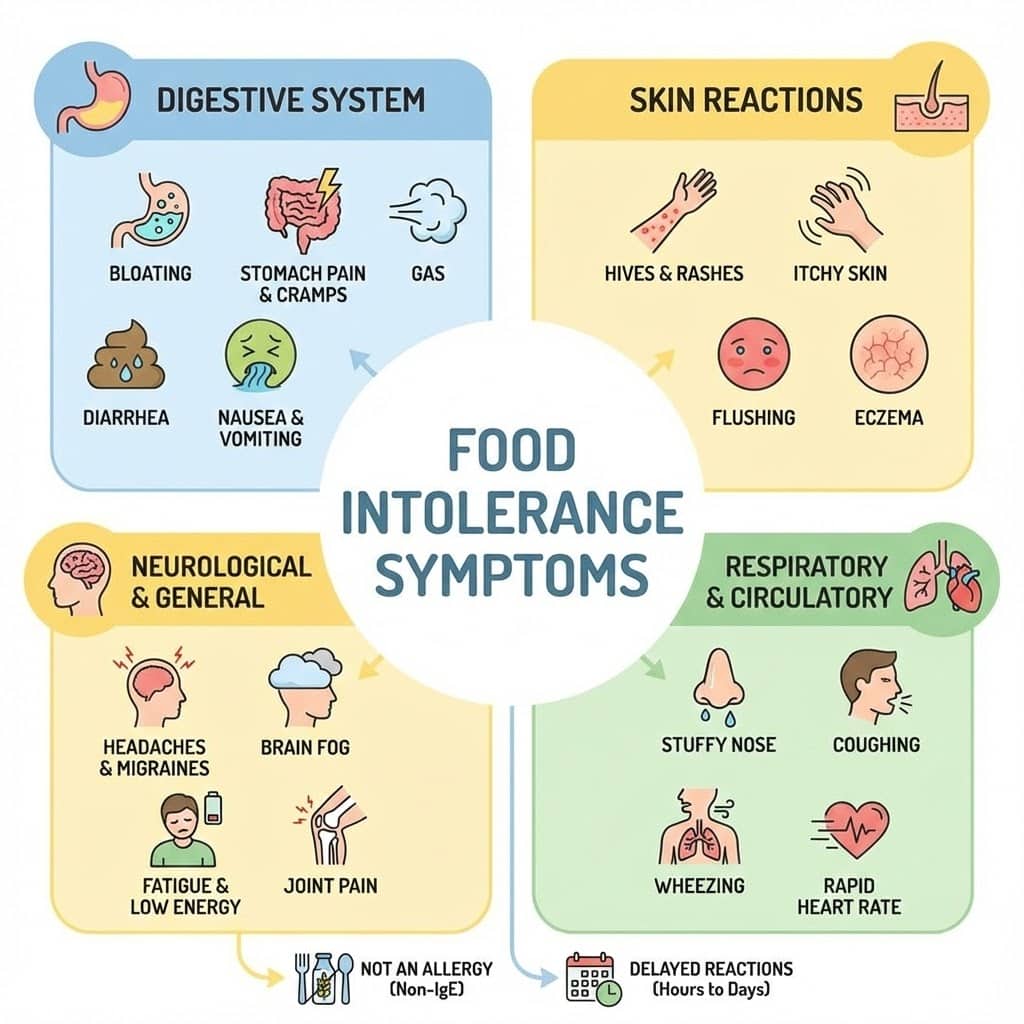
Food sensitivity (also known as food intolerance) happens when your body has difficulty processing certain foods. Unlike allergies that trigger an immediate immune response, intolerances are usually slower and may lead to delayed reactions — such as bloating, fatigue, headaches, or general digestive discomfort.
These responses can be subtle, inconsistent, and easy to overlook. Many people live with symptoms for years without realizing certain foods could be contributing. While not typically dangerous, sensitivities may affect your mood, focus, energy, and overall well-being.
Pinnertest offers a simple starting point to explore potential food-related sensitivities. While it is not a diagnostic test, the insights you receive may help you better understand your body and make more informed wellness decisions.
To learn more about how sensitivities, allergies, and intolerances differ, read our full comparison guide.
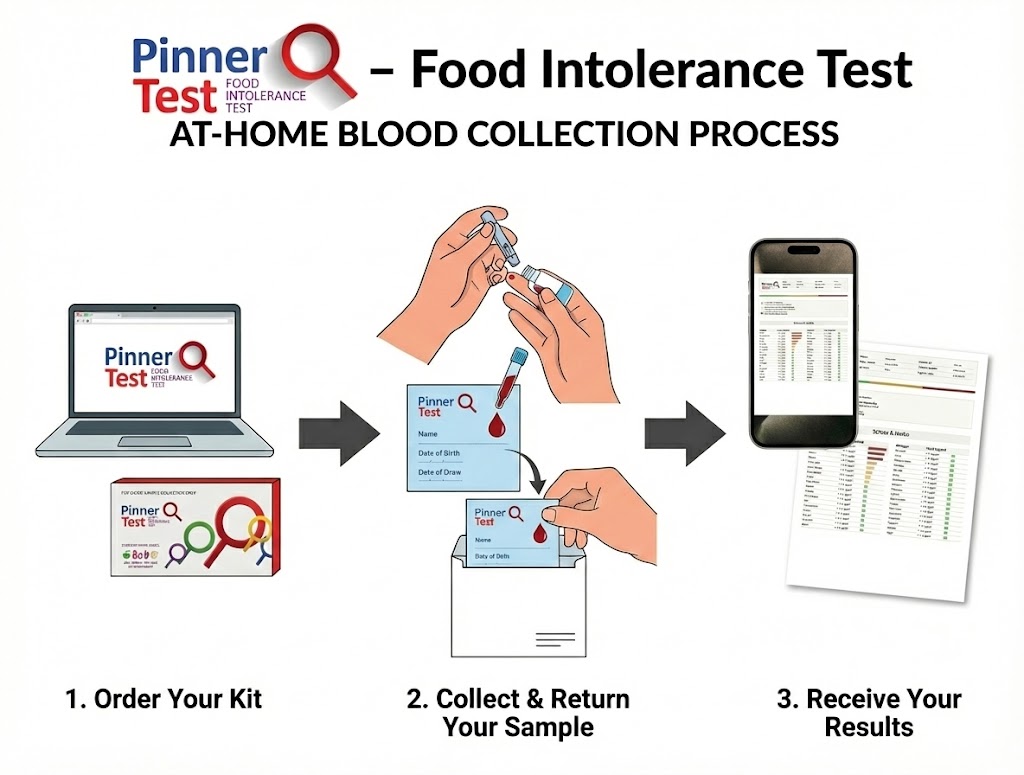
Place your order online and we’ll ship your sample collection kit directly to your address — usually within a few days.
Follow the included instructions to collect your small blood sample at home. Use the prepaid envelope to return it to our lab.
Within 7–10 days, you’ll receive a personalized report that may help you identify possible food-related sensitivities.
Access your results, learn which foods may not suit you, scan product labels, and get AI-assisted guidance—all in one secure place.
If you're exploring which test is right for you, you can review our Food Intolerance Test and Food Sensitivity Test guides.
Have questions or need support with your order? Our dedicated team is here to help—whether it’s before, during, or after your purchase. Reach out anytime and we’ll guide you every step of the way.
NEW
Food intolerance is a broad term used to describe delayed or non-acute reactions that may occur after consuming certain foods. These reactions are typically different from immediate allergic responses. While classic allergies often involve IgE-mediated mechanisms and can lead to rapid, sometimes severe symptoms, food intolerances are usually slower and may be associated with more subtle, everyday complaints.
Individuals with possible food intolerances may report digestive discomfort, changes in bowel habits, bloating, feelings of heaviness after meals, skin irritation, headaches, or general fatigue. Because these reactions can be delayed and vary from day to day, it can be difficult to recognize patterns based on memory or observation alone. A structured, laboratory-based evaluation may help you explore potential food-related factors in a more organized way.
Pinnertest is designed to provide information about how your body may react to more than 200 different foods. The test uses a microarray platform, in which many food components are presented in a compact format. Your sample is processed in a laboratory environment using standardized protocols, and the resulting signals are evaluated to identify which foods may be associated with a stronger immune-mediated response.
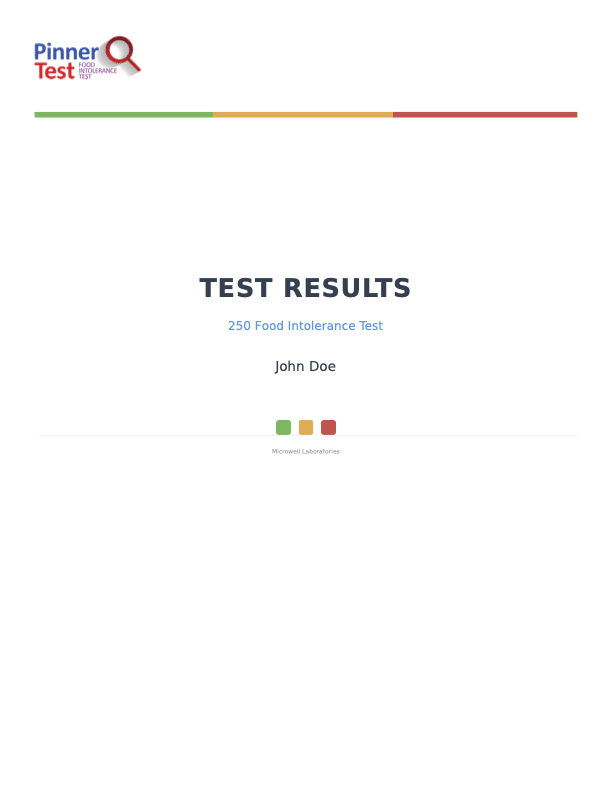
The report you receive highlights individual foods and groups them into categories. This allows you to see potential trends—for example, whether your strongest reactions appear in a particular category such as dairy, grains, or specific fruits. You can use this information as a starting point to structure an elimination and reintroduction plan together with your healthcare professional or nutrition advisor.
A laboratory-based food intolerance test may be of interest to people who experience recurring, non-acute symptoms that they suspect could be influenced by diet, for example:
Once you receive your Pinnertest 200 results, you can begin a targeted, stepwise approach:
Pinnertest provides information about potential food-related immune responses and is intended for wellness and educational purposes. It does not diagnose, treat, or prevent disease and should not be used as a substitute for medical evaluation. Always consult your physician or qualified healthcare provider with any questions you may have about your symptoms or before making major changes to your diet.