
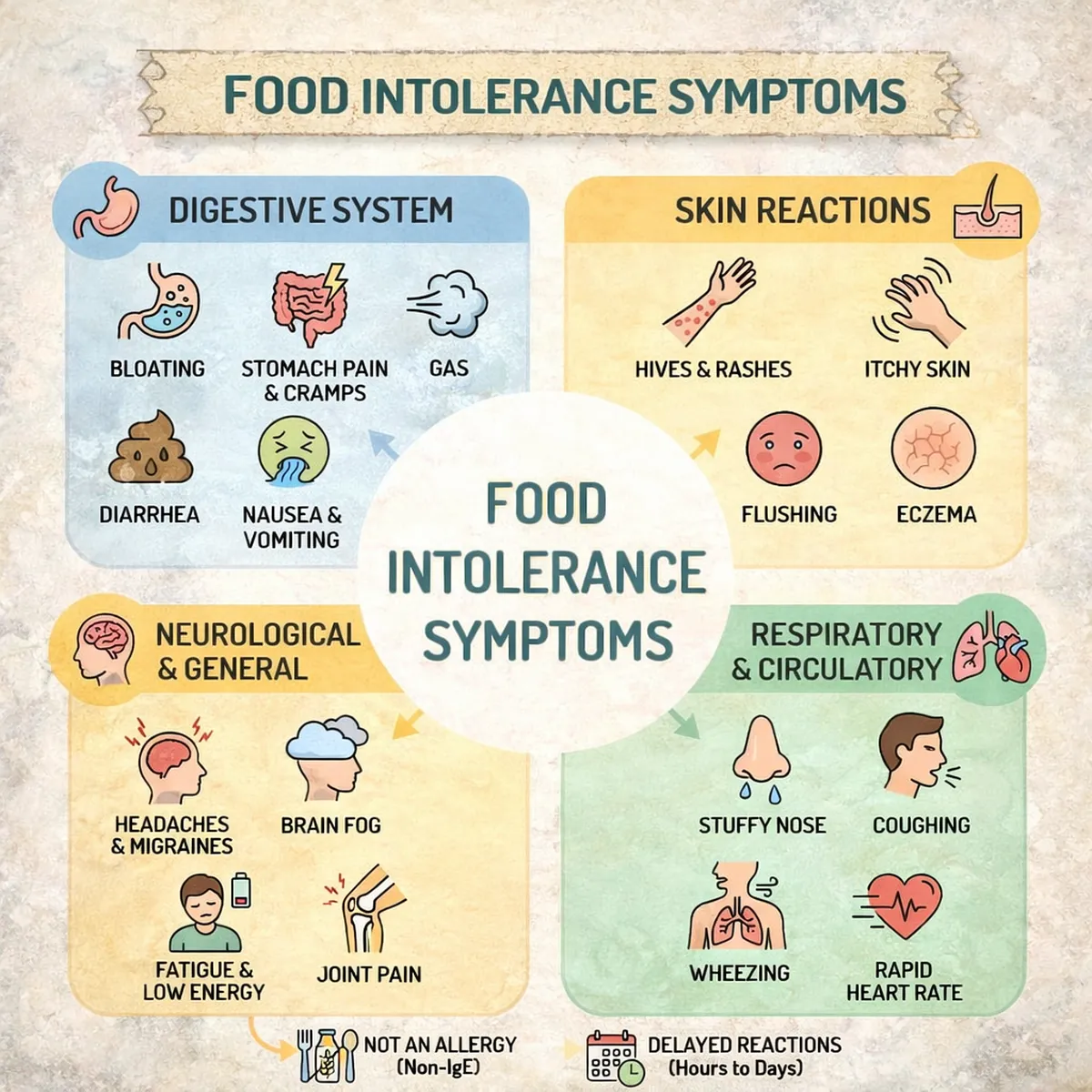
COMMON FOOD TRIGGERS

Common Food Sensitivity Triggers: Wheat, Egg, Dairy & More

IgG food sensitivity reactions are highly individual — but certain foods appear repeatedly in elevated antibody reports. Understanding which foods most commonly trigger reactions can help you know what to look for in your own results.

  • Pinnertest tests 120–250 individual foods across all major food groups
  • Wheat, egg, dairy, yeast, and chocolate are among the most frequently reactive
  • Your personal IgG profile will differ — and is far more useful than generic lists
Common food sensitivity trigger foods

FREQUENTLY REACTIVE FOODS

Foods That Commonly Appear in Elevated IgG Reports

While every person's IgG profile is unique, some foods consistently appear at higher frequencies across population-level sensitivity data. Here are the most commonly flagged categories and why they tend to provoke immune responses.

🌾 Wheat

One of the most widespread IgG triggers. Wheat proteins — including those in bread, pasta, pastry, and many processed foods — are consumed in large quantities, which can drive elevated antibody exposure.

🥚 Egg

Egg white proteins are among the most potent IgG triggers. Some individuals react to egg white but tolerate yolk — Pinnertest tests both separately in applicable panels.

🥛 Dairy

Cow's milk casein and whey proteins frequently appear in IgG reports. Reactions to dairy can manifest as digestive discomfort, skin issues, or general systemic inflammation.

🌰 Almond & Tree Nuts

As almond milk and almond-flour products have grown in popularity, almond IgG sensitivity reports have also increased. Other tree nuts (walnut, cashew, hazelnut) are also commonly tested.

🍫 Chocolate & Yeast

Cocoa and yeast-containing foods (bread, beer, fermented products) are frequently flagged. Yeast sensitivity in particular can affect people who eat a lot of bread, pastry, or fermented foods.

🍅 Tomato

Widely used in sauces, soups, and condiments, tomato is a hidden ingredient in many meals — making tomato sensitivity easy to miss without systematic testing.
HOW TO USE YOUR RESULTS

From Test Results to an Elimination Plan

Knowing which foods you react to is just the start. The real value comes from structuring a careful elimination trial — removing your most reactive foods, monitoring your symptoms over several weeks, and then reintroducing foods one at a time to confirm which ones matter.

1. Identify Your Reactive Foods

Your Pinnertest report ranks foods by IgG reactivity level. Focus your elimination on the highest-reactivity items first.

2. Structured Elimination

Remove flagged foods for 4–6 weeks while tracking symptoms consistently. A food-and-symptom diary is essential.

3. Methodical Reintroduction

Reintroduce one food at a time, allowing 3–4 days between each to observe any symptom response before adding the next.

4. Work with a Practitioner

A registered dietitian or nutritionist can ensure your elimination plan is nutritionally balanced and guide you through each phase safely.

COMMON QUESTIONS

Frequently Asked Questions

Which foods are tested by Pinnertest?

Depending on the panel you choose, Pinnertest measures IgG antibody responses to 120, 200, or 250 foods. The panels cover major food categories including grains (wheat, rye, oats, barley), dairy (cow's milk, cheese, yoghurt, whey), eggs, nuts (almond, walnut, cashew), seeds, meats, fish, shellfish, fruits, vegetables, legumes, and condiments such as yeast, chocolate, and tomato.

Why is wheat one of the most commonly reactive foods?

Wheat contains several proteins — including gliadin, glutenin, and albumin — that can provoke IgG antibody responses in some individuals. This is distinct from coeliac disease (an autoimmune condition triggered by gluten) and does not indicate the same level of intestinal damage.

Why are eggs frequently flagged in food sensitivity reports?

Egg white proteins (particularly ovalbumin and ovomucoid) are among the most common IgG antibody triggers. Interestingly, some people react to egg white but not egg yolk — which is why Pinnertest tests them separately in applicable panels.

What about dairy — do I need to avoid all dairy?

Not necessarily. Different dairy proteins (casein, whey, lactalbumin) can provoke different IgG responses. Your Pinnertest report will show which specific dairy items showed elevated reactivity, allowing for targeted — rather than blanket — removal.

Is a high IgG score for a food proof that it is causing my symptoms?

No. A high IgG score indicates immune exposure and response to that food — but does not definitively prove it is causing a particular symptom. IgG data is most useful as a starting point for a structured elimination trial: remove the flagged foods, monitor symptoms, then reintroduce methodically.

How do I use my food results with a practitioner?

Share your full Pinnertest report with a registered dietitian, nutritionist, or qualified healthcare provider. They can help you design a nutritionally balanced elimination protocol, prioritise which foods to remove first, and guide a systematic reintroduction phase.

Important: A high IgG score is not a diagnosis of food allergy or any medical condition. If you suspect a true food allergy, consult a qualified allergist. See Food Sensitivity vs Food Allergy for more.

PinnerTest kit NEW

Pinnertest 120

120 Foods
PDF Report
$199
PinnerTest kit

Pinnertest 200

200 Foods
Limited access to portal
(Online Report, Food Details, FAQ)
$249
PinnerTest kit NEW

Pinnertest 250

250 Foods
Full access to portal
(Online Report, Food Details, Label Scanner, Custom Recipe Generator, AI Assistant, FAQ)
$349